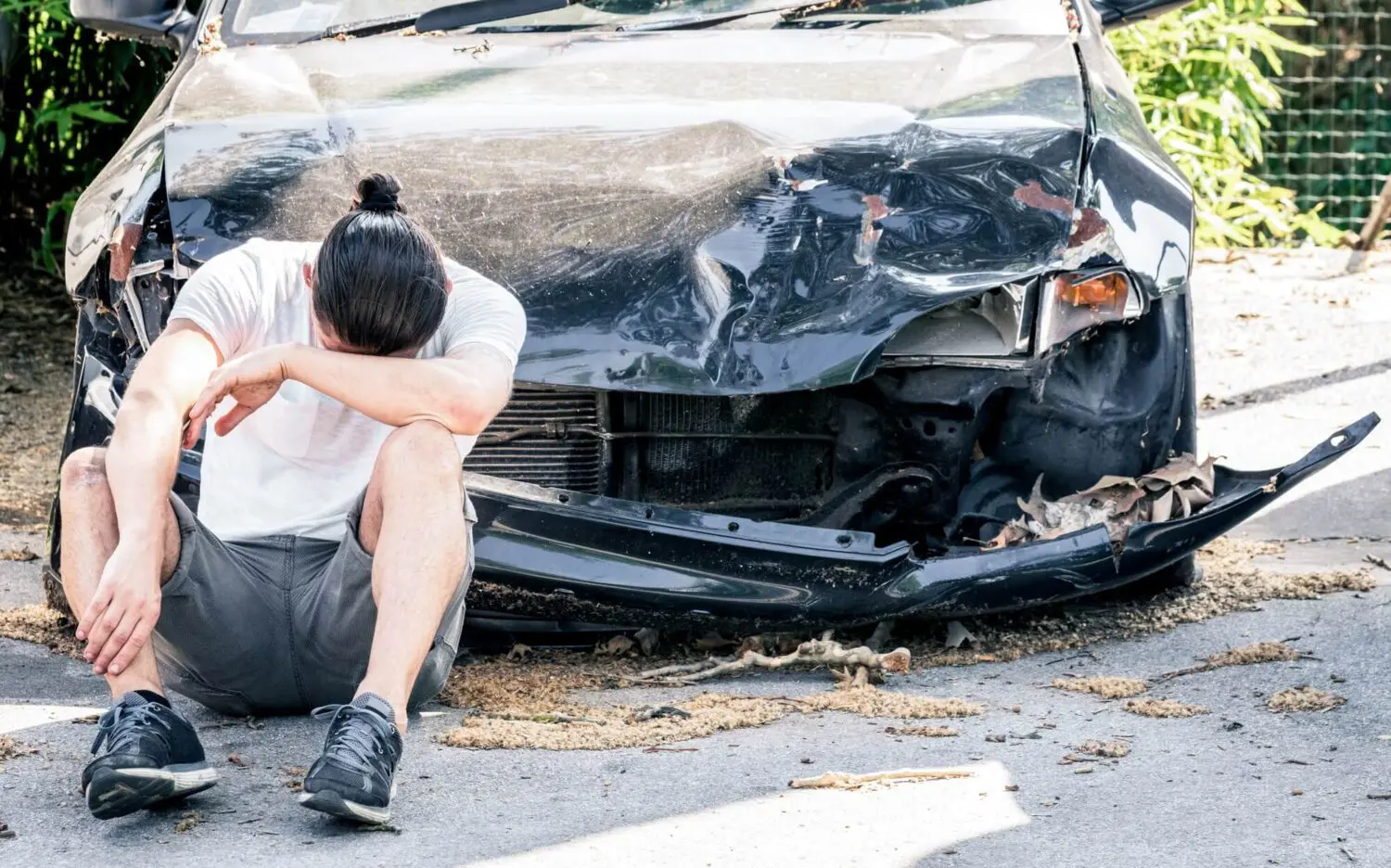
A car accident is disorienting even when nobody is badly hurt. There’s the shock of the impact itself, then a dozen decisions to make in the next few minutes: is everyone okay, is the car safe to leave where it is, who do you call first. If you’ve never been through it, it’s hard to know what actually happens between the crash and your car ending up somewhere safe. This guide covers exactly that, for drivers in and around Stoke-on-Trent.
The First Few Minutes After A Crash
Before anything else, the priority is people, not vehicles. Check yourself and any passengers for injuries, and if anyone is hurt, call 999 and ask for an ambulance as well as the police if needed. If the vehicles involved are blocking the road and it’s safe to move them, do so. If moving them isn’t safe, or anyone is trapped or seriously injured, leave everything as it is and wait for emergency services.
Once immediate safety is dealt with, there are a few practical things worth doing while you’re still at the scene:
- Exchange details with any other driver involved: name, contact number, registration, and insurance provider.
- Take photos of the vehicles, the road position, and any visible damage before anything is moved, if it’s safe to do so.
- Note down the time, location and any witnesses who saw what happened.
- If the police attend, ask for a reference number, which your insurer will likely want later.
Keep a small notebook or use your phone to record details straight away. Memories of a crash blur quickly once the adrenaline wears off, and having accurate notes helps enormously with insurance claims.
When Your Car Isn’t Driveable
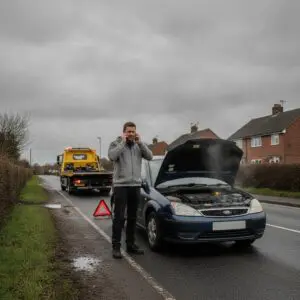
Not every accident leaves a car in a state you can just drive away from. A damaged wheel, a leaking radiator, a bent bumper fouling a tyre, or a warning light you don’t want to ignore are all good reasons to stop and get the vehicle recovered rather than risk driving it further. This is where accident recovery comes in, and it’s a different job to a routine breakdown.
With an accident, the vehicle might be at an awkward angle, partially in the road, or have debris around it that needs handling carefully. Our recovery drivers are used to assessing accident-damaged vehicles safely, working out the best way to load them without causing further damage, and getting the road clear as quickly as possible if the car is a hazard to other traffic.
What Happens When You Call Fast Track Recovery
Once you’ve dealt with immediate safety and exchanged details, give us a call. We’ll ask for your location, a description of the damage, and whether the vehicle is blocking traffic or off to the side safely. From there we get a recovery vehicle moving towards you straight away.
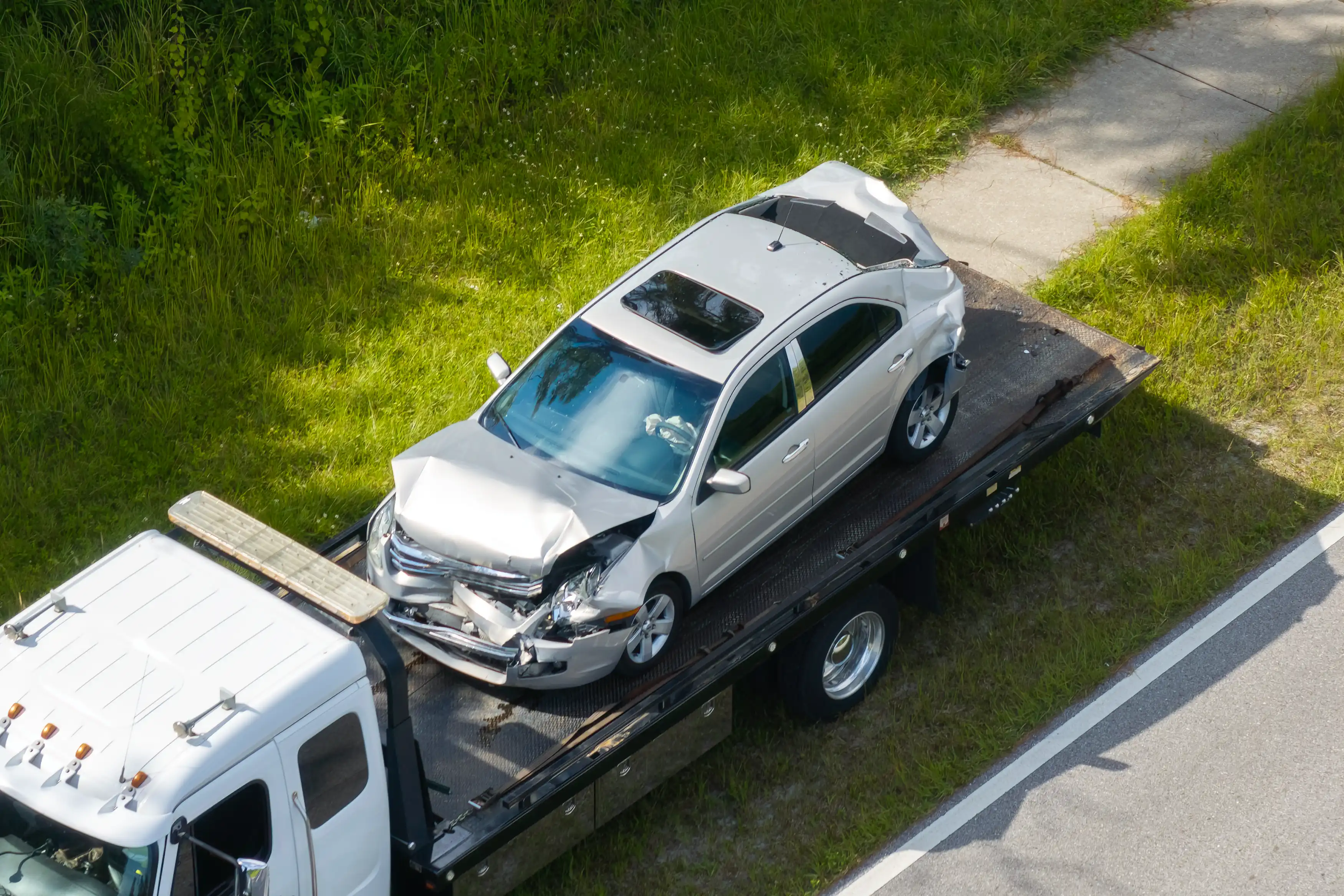
- We assess how the car can be safely loaded, particularly if there’s damage to wheels, steering or the underside.
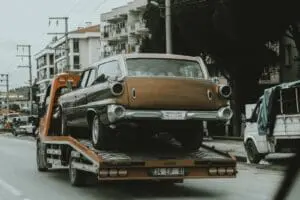
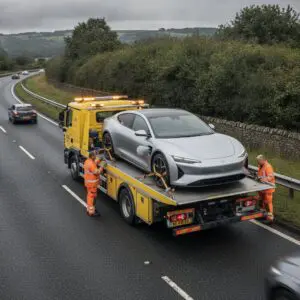
- We secure the vehicle onto a flatbed or use appropriate towing equipment depending on the damage.
- We take the car to wherever you need it: your home, a bodyshop, an insurer-approved repairer, or a secure storage yard if that’s what your claim requires.
- We can also recover motorcycles and vans involved in accidents, not just cars.
If The Police Or Highways Are Already At The Scene
If your accident happens on a busier road or motorway and the police or National Highways traffic officers are already managing the scene, they may have their own recovery contractor attend first to clear the road. If that’s the case, you’re still entitled to arrange your own recovery afterwards to take the car wherever you actually need it, rather than leaving it wherever the initial clearance takes it. Just let us know the situation and we’ll coordinate around it.
Been In An Accident?
Fast Track Recovery handles accident recovery across Stoke-on-Trent, 24 hours a day, for cars, vans and motorcycles.
Dealing With Your Insurer After The Crash
Most insurance policies expect you to report an accident promptly, even if you don’t intend to claim. When you do call your insurer, having the details you gathered at the scene makes the process much smoother: the other driver’s information, photos, and a police reference if one was issued.
Some insurers have their own approved recovery and repair network and may prefer the car goes to a specific garage. It’s worth checking your policy documents or calling your insurer before recovery happens if you have time, though if the car isn’t safe where it is, getting it moved safely takes priority over waiting on a phone call. We’re happy to take the vehicle to wherever your insurer specifies once you’ve confirmed it.
Storage If You’re Not Sure What Happens Next
Sometimes you genuinely don’t know yet whether a car is a repair job or a write-off, or you simply haven’t decided where it should go. In that situation we can recover the vehicle to secure storage while you sort out the insurance side of things, rather than leaving it in an unsafe or inconvenient spot.
What This Looks Like In Practice Around Stoke-on-Trent
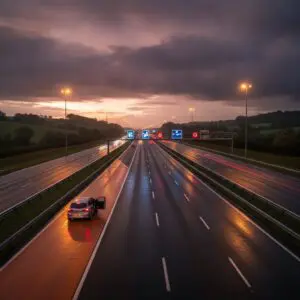
Accidents happen everywhere from residential streets to the A50 and M6, and the right response looks slightly different depending on where you are. On a quieter road, you might be able to pull the car onto a verge or side street and wait comfortably. On a faster road or motorway, safety becomes the overriding concern, and getting off the carriageway matters more than protecting the vehicle from further damage.
Whatever the situation, the process afterwards is the same: get people safe, gather what details you can, and call for recovery once the car itself needs moving. We know the local road network well, including the awkward junctions and blind bends that see more than their fair share of minor collisions, and we’re set up to reach you quickly wherever you are in the area.
What Evidence Actually Helps Your Insurance Claim
Insurers move faster and with fewer questions when a claim comes with clear evidence attached from the start. Beyond the basics of names and registration numbers, a few extra details make a real difference:
- Wide shots showing the position of both vehicles relative to the road, junction or lane markings
- Close-up photos of the specific damage on each vehicle
- Any dashcam footage from your car, or a note asking nearby drivers if they have any
- The weather and road conditions at the time, especially if surface water, ice or poor visibility played a part
You don’t need to build a full case file at the roadside, especially if you’re shaken up, but even a handful of photos taken on your phone before the cars are moved can save weeks of back-and-forth with an insurer later.
Common Causes Of Accidents Around Stoke-on-Trent
Some of the collisions we recover from follow familiar patterns: tight junctions and roundabouts in busier parts of the city, sudden braking on the A50 during rush hour, and poor visibility on unlit rural roads outside town during winter mornings and evenings. None of that is a reason to be nervous behind the wheel, but it’s worth being extra cautious in these situations, and it explains why we see a steady stream of accident recoveries from the same handful of local hotspots rather than evenly across the whole area.
Whatever the cause, the recovery side of things works the same way regardless of whether it was a low-speed shunt in a car park or a more serious collision on the motorway. Our focus is getting the vehicle moved safely and getting you sorted with somewhere to be, while you deal with the insurance and repair side separately.
Common Questions About Accident Recovery
Do I need to wait for the police before calling a recovery service?
Not always. For a minor accident with no injuries and no need for police attendance, you can call us directly once details have been exchanged. For anything more serious, or where the road is blocked, the police or Highways may need to manage the scene first.
Can you recover a car that won’t roll or steer?
Yes. We use flatbed recovery for exactly this situation, so a car with a locked wheel, damaged steering or a seized brake can still be loaded and transported without being dragged or driven.
What if the other driver left the scene?
Report it to the police as soon as possible, and still call us to get your car recovered safely. A hit and run doesn’t change the practical recovery process, just the insurance and reporting side.
Will you take the car straight to my insurer’s approved garage?
Yes, once you’ve confirmed the location with your insurer, we can take the vehicle directly there rather than to a holding location first.
How soon after the accident should I call for recovery?
As soon as immediate safety is dealt with and details have been exchanged. There’s no benefit to leaving a damaged vehicle at the roadside longer than necessary, both for your own safety and to avoid the car being at further risk from passing traffic. Calling us early also means the vehicle can be moved before the scene needs to be cleared for other road users.
Why It’s Worth Using A Local Recovery Service After An Accident
A local recovery service that knows Stoke-on-Trent well can usually reach the scene faster than a national provider working from a call centre, and has a better understanding of nearby bodyshops, storage yards and insurer-approved garages in the area. That local knowledge often makes the whole process, from the crash itself through to your car arriving somewhere useful, considerably smoother than dealing with an unfamiliar operator working purely from a satnav.
The moments after a crash are stressful, but the recovery part doesn’t have to be. Once you’re safe, one call gets your vehicle handled properly from wherever it is to wherever it needs to go.
If you’ve been in an accident anywhere around Stoke-on-Trent, Fast Track Recovery is available day or night to recover your vehicle safely and take it wherever you need it.