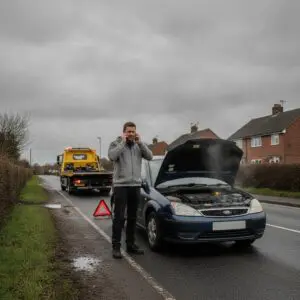
Turn the key and nothing happens, or you get a slow, tired click instead of the engine firing up? A flat or failing battery is the single most common reason drivers in the UK call out a recovery service, and it can catch you out anywhere: on the drive first thing in the morning, in a supermarket car park, or at the roadside after a short trip. Here’s why it happens so often, what to check before you call anyone, and when it’s time to get a professional recovery out to you.
Why Flat Batteries Are So Common
Battery issues are the number one reason for breakdown call-outs in the UK, year in and year out. Modern cars are harder on their batteries than most drivers realise: even with the engine off, dozens of small electrical systems (alarms, immobilisers, infotainment memory, keyless entry sensors) draw a trickle of power around the clock. Add a run of short journeys that never let the alternator fully recharge the battery, a cold snap that saps battery capacity overnight, or a battery that’s simply reaching the end of its three-to-five-year working life, and a no-start is often just a matter of time rather than bad luck.
Recent industry data looking at over 550,000 vehicles found more than 40% had a weak 12-volt battery in the worst-affected periods, and this isn’t just a petrol and diesel problem, electric vehicles rely on a 12-volt battery for exactly the same low-level systems, so EVs suffer flat batteries too, even though the main drive battery is a separate system entirely.
Signs Your Battery Is About To Fail
- The engine cranks slower than usual, or takes an extra second or two longer to catch, before it eventually starts.
- Dashboard warning lights dim or flicker briefly when you start the car, or when you switch on the headlights while idling.
- Electrical extras (radio, interior lights, central locking) feel sluggish or behave oddly.
- The car has been sitting unused for more than a week or two without being driven.
- The battery is more than three years old and has never been tested.
If your car has struggled to start once and then caught, don’t just carry on as normal. A battery that’s borderline will often get worse quickly, especially in cold weather, and it’s far better to get it tested at a convenient time than to be stuck with a genuine no-start later.
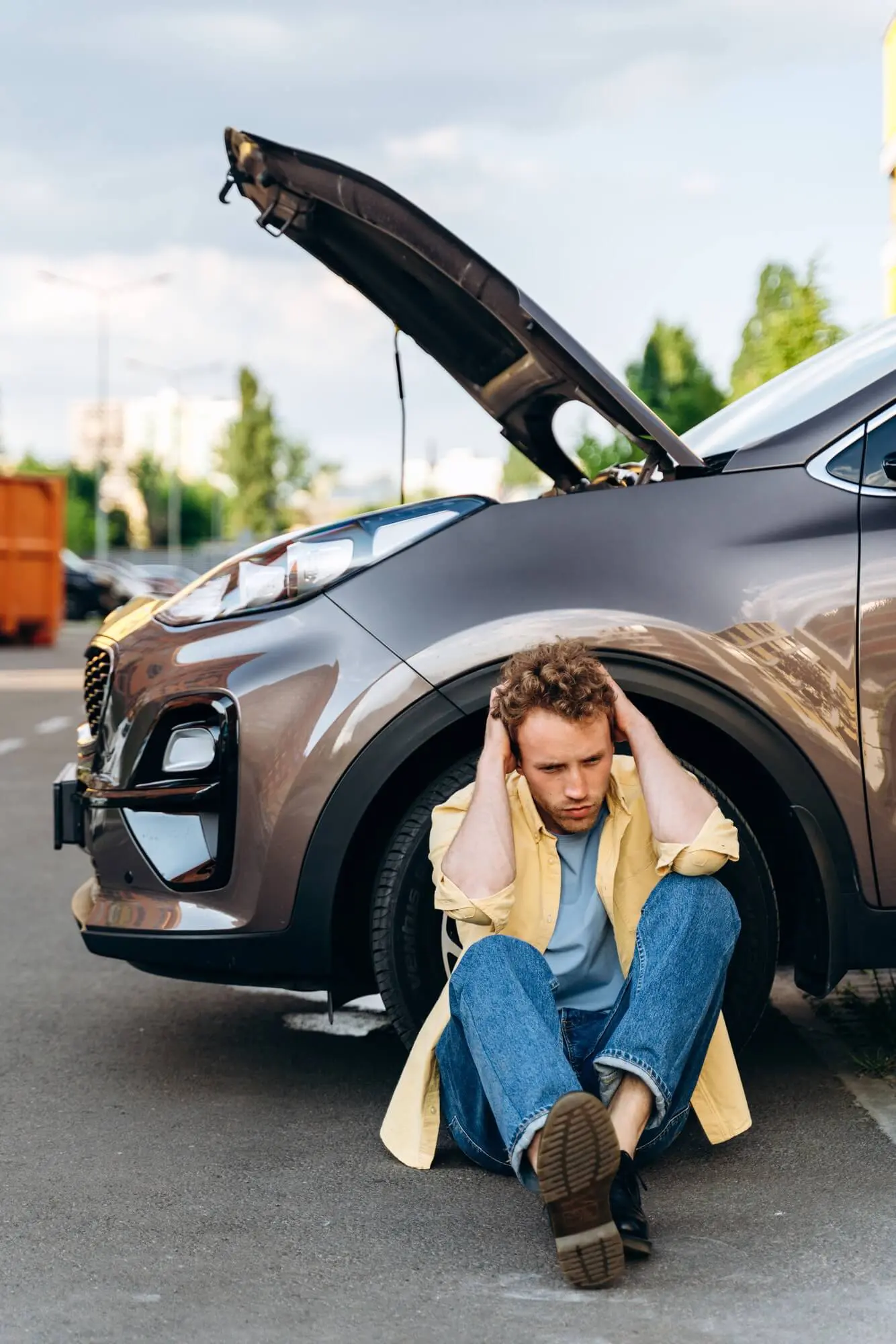
What To Do If Your Car Won’t Start
Before assuming the worst, a few quick checks can tell you a lot about what’s actually wrong:
- Turn the key or press start and listen carefully. A single dull click usually points to the battery; rapid clicking can mean the battery is very low; total silence with no dash lights at all often means a battery that’s completely dead or a bad connection.
- Check the dashboard: if the lights come on brightly and stay on, the battery may have enough charge to run electrics but not enough to turn the engine over, which still points to the battery or a starter motor fault.
- Look at the battery terminals for any obvious corrosion (a white or greenish crust) or a terminal that looks loose. A poor connection can mimic a flat battery even when the battery itself is fine.
- If you have jump leads and another vehicle, and you’re confident doing it safely, a jump start will quickly tell you whether it’s a charging issue. If the car starts and runs, the battery (or alternator) needs attention; if it doesn’t start even with a jump, the problem is likely elsewhere.
When To Call For Recovery Instead
If you’re not confident jump-starting the car yourself, you’re not carrying jump leads, you’re in an unsafe spot such as a live lane or a narrow road, or the car still won’t start after a jump, it’s time to call for help rather than keep trying. Repeatedly cranking a struggling engine can flatten the battery further and, in some cases, damage the starter motor.
Car Won’t Start?
Fast Track Recovery provides fast jump starts and full breakdown recovery across Stoke-on-Trent, 24 hours a day, whatever’s behind the no-start.
Related reading: no breakdown cover to fall back on? See your options if your car stops without cover.
Related reading: if your car is electric, the recovery method is different — read why a broken-down EV needs flatbed recovery.
Driving a van rather than a car? A non-start in a work van comes with its own worries, from the gearbox to the tools in the back — see our guide to van recovery in Stoke-on-Trent for how we handle light commercials.
Is It Always The Battery?
A flat battery is the most common cause of a no-start, but it isn’t the only one. A few other common culprits produce similar symptoms:
Starter Motor Faults
If you turn the key and hear a single loud clunk rather than the engine cranking, the starter motor itself may have failed, even with a perfectly healthy battery.
Alternator Problems
The alternator recharges the battery while the engine runs. If it’s failing, the battery might start the car fine but then go flat again after a short drive, or the car might stall unexpectedly once the battery’s residual charge runs out.
Immobiliser Or Key Fob Issues
Occasionally a car that “won’t start” is actually the engine refusing to fire because the immobiliser isn’t recognising the key, often caused by a low key fob battery rather than anything mechanical at all.
Fuel Or Ignition Faults
An engine that cranks normally but doesn’t catch can point to a fuel delivery or ignition problem rather than the battery, particularly in colder, damp weather.
Can You Jump Start It Yourself?
A jump start is often straightforward, but it’s not risk-free. Connecting leads in the wrong order or to the wrong points can cause a spark near the battery, damage sensitive electronics on newer vehicles, or, in rare cases, cause a battery to vent or crack. If you’re unsure of the correct sequence, don’t have leads rated for your engine size, or the vehicle is a hybrid or EV with different jump-start points, it’s safer to call a professional recovery service than to risk it.
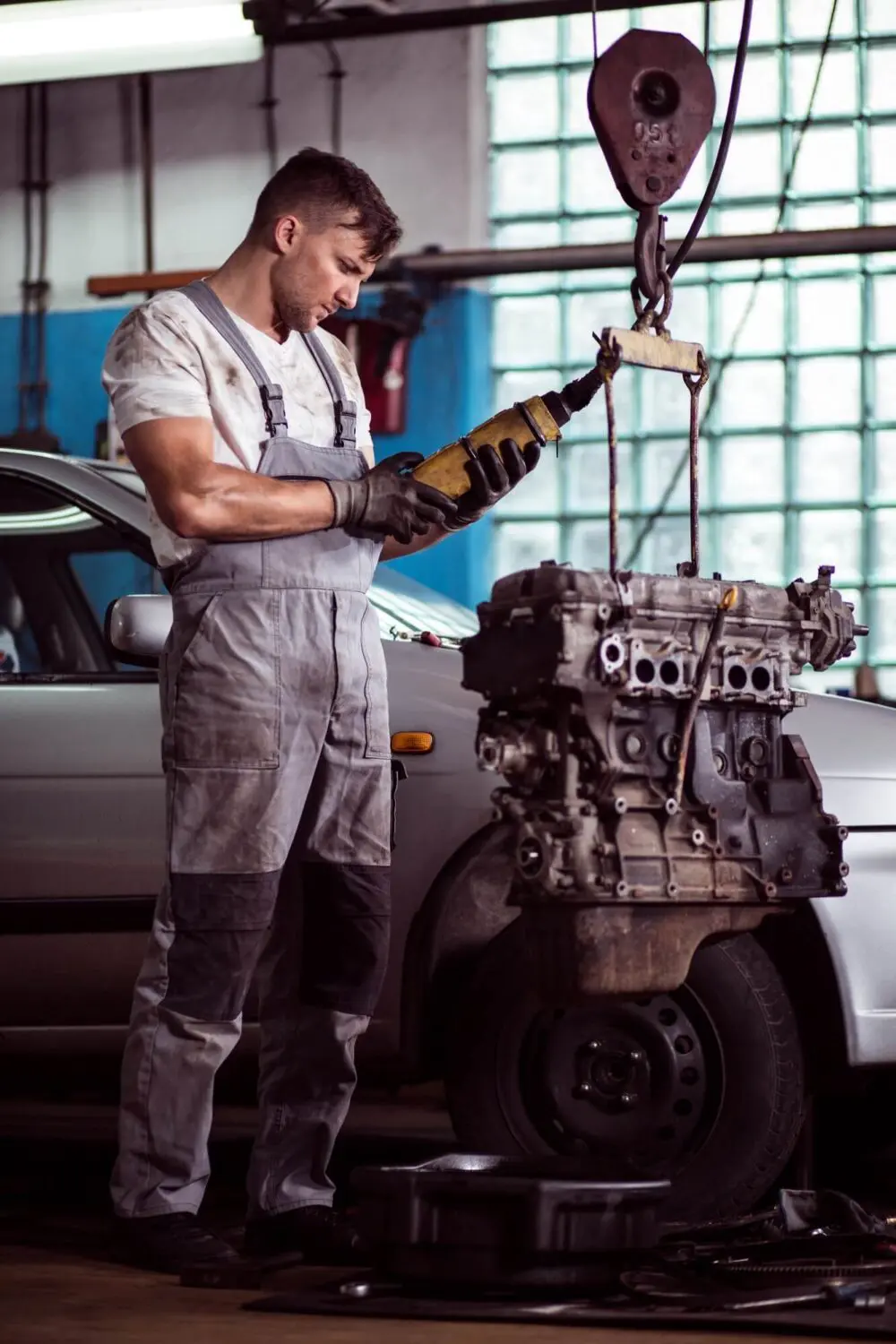
What A Replacement Battery Costs
If testing shows the battery itself needs replacing rather than just recharging, most drivers can expect to pay somewhere between £150 and £330 for a new 12-volt battery including fitting, depending on the vehicle and battery specification. It’s a meaningful cost, but usually far less disruptive than being stranded repeatedly with an unreliable battery that’s already on its way out.
Preventing A Flat Battery In The First Place
- If your car mostly does short trips, an occasional longer drive gives the alternator a proper chance to recharge the battery fully.
- Turn off headlights, interior lights and accessories fully before leaving the car, particularly if anything was left on manually.
- Have the battery tested at each service, especially once it’s past the three-year mark, rather than waiting for it to fail without warning.
- If a car is going to sit unused for more than a couple of weeks, a trickle charger (or simply starting and running it briefly every so often) helps stop the battery draining flat.
- Keep terminals clean and tight; a five-minute check can catch a loose or corroded connection before it leaves you stranded.
None of this guarantees a battery will never let you down, but it meaningfully reduces how often it happens, and it means a failure is far less likely to catch you completely by surprise.
Common Questions About Flat Batteries And No-Starts
How do I know if it’s the battery or the alternator?
If a jump start gets the car running but it dies again shortly after or struggles to restart later the same day, that points to the alternator not recharging the battery properly, rather than the battery itself being the root cause.
Can cold weather really flatten a healthy battery?
Yes. Cold temperatures reduce a battery’s effective capacity while also increasing the power needed to turn the engine over, so a battery that’s coping fine in summer can struggle or fail outright once winter sets in.
Is it safe to keep trying to start the car if it’s struggling?
Repeated attempts on a weak battery usually make things worse rather than better, and can strain the starter motor. It’s better to stop after one or two attempts and call for help rather than keep draining what charge is left.
Do electric and hybrid cars get flat batteries too?
Yes, the small 12-volt battery that runs alarms, locks and onboard electronics is separate from the main drive battery, and it can fail or go flat in exactly the same way as on a petrol or diesel car.
Will you jump start my car if I’m not confident doing it myself?
Yes, our recovery vehicles carry the right equipment to safely jump start most vehicles at the roadside, and if that doesn’t resolve it, we can recover the car for further diagnosis.
What if my car won’t start and I’m parked somewhere unsafe?
Prioritise getting yourself somewhere safe over the car itself where possible, then call us with your location; we’ll advise based on exactly where you are and get to you as quickly as we safely can.
How long does a car battery usually last?
Most car batteries last somewhere between three and five ye