When your car can’t be driven, how it gets moved matters just as much as getting it moved at all. Ask any recovery professional in Stoke-on-Trent and they’ll tell you the same thing: for most breakdowns, accidents and non-runners, flatbed recovery is the safest way to transport a vehicle. But what actually is it, and when do you need one over a conventional tow?
This guide explains how flatbed recovery works, why it protects your vehicle, and the situations where it’s the only sensible choice.
What Is Flatbed Recovery?
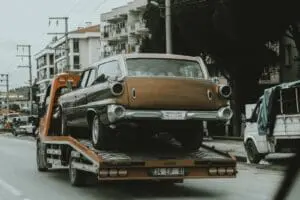
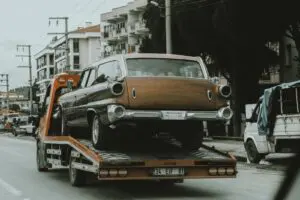
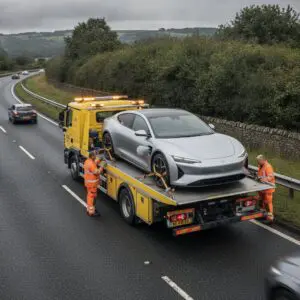
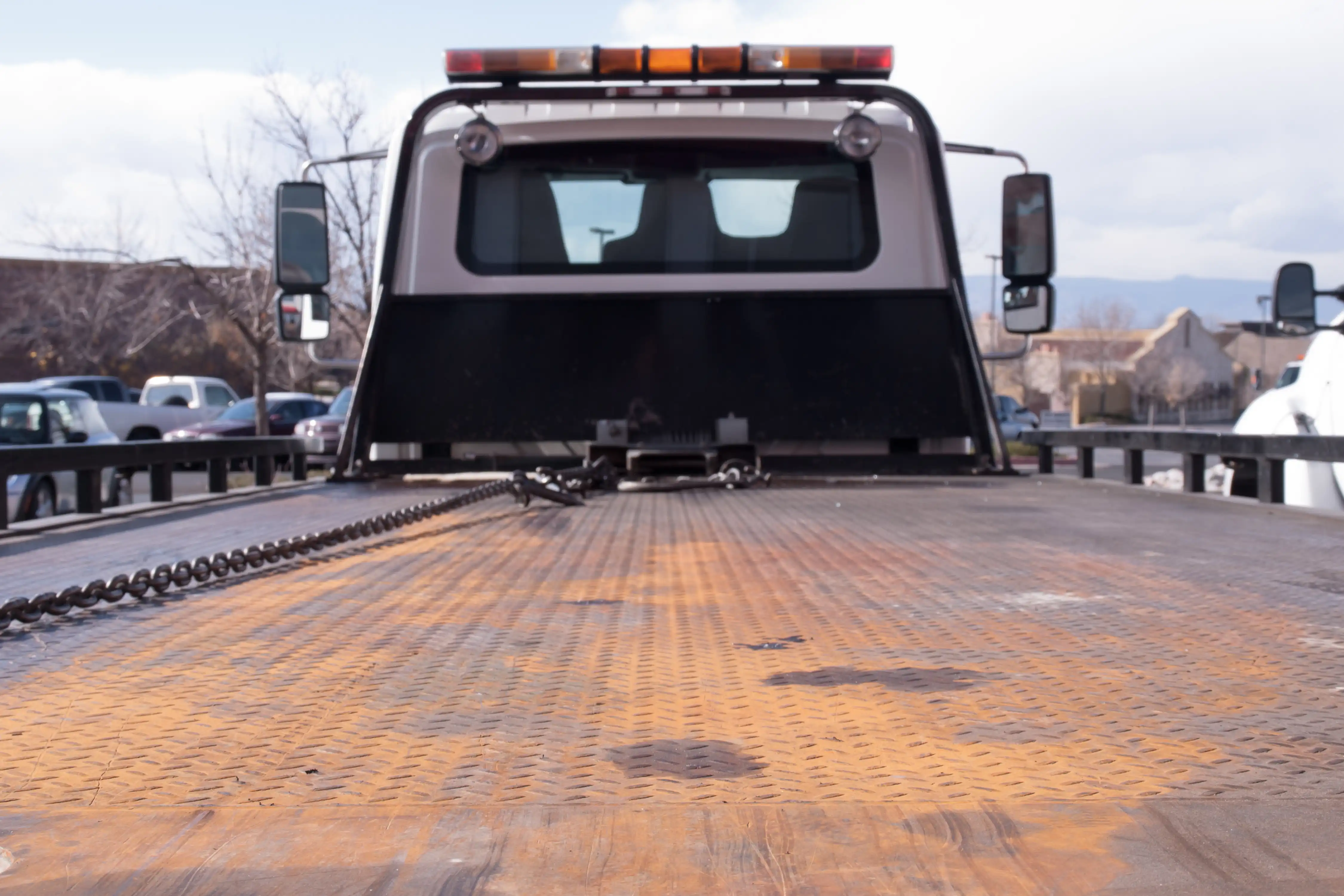
A flatbed recovery truck — sometimes called a tilt-and-slide or a beavertail — has a long, flat platform that hydraulically tilts and lowers to the ground. Your vehicle is winched or driven up onto that platform, secured with straps and chains, and then carried entirely off the ground to its destination.
This is fundamentally different from a traditional tow, where two wheels stay on the road and the car is dragged behind a truck on a rope, pole or suspended lift. With a flatbed, all four wheels are up and off the tarmac, and the car simply goes along for the ride.
- The entire vehicle sits on a solid platform
- No wheels touch the road during transport
- The car is strapped down at multiple secure points
- Loading and unloading is smooth and controlled
Why Flatbed Is The Safest Option
The big advantage is simple: if your car isn’t touching the road, the road can’t do it any harm. That protects your vehicle in several important ways.
No Extra Wear Or Mileage
Conventional towing with two wheels down adds mileage and puts strain on the transmission, particularly on automatic and four-wheel-drive vehicles, which can be seriously damaged by being towed on their driven wheels. On a flatbed, the drivetrain never turns, so there’s no added wear and no risk of transmission damage.
Protection For Low And Prestige Cars
Sports cars, modified vehicles and many modern cars sit low to the ground. A controlled flatbed load using approach ramps avoids the scraping and bumper damage that can happen with other methods. For a valuable or cherished car, that peace of mind is worth a great deal.
Ideal For Damaged And Non-Running Vehicles
After an accident, or when a wheel, axle or suspension component has failed, a car often can’t roll safely at all. A flatbed lets us winch the vehicle aboard and carry it without relying on its wheels or steering — the only safe way to move many casualties.
When Do You Need Flatbed Recovery?
Not every job needs a flatbed, but a great many do. You’ll typically want one in these situations:
- Accident-damaged vehicles that can’t roll or steer safely
- Automatic or 4×4 vehicles that shouldn’t be towed on their wheels
- Low-slung, prestige or classic cars that need careful handling
- Complete non-runners — seized engines, gearbox failures, flat batteries that won’t allow the car to be moved
- Long-distance moves where you don’t want to add wear or mileage
Need Your Car Moved Safely?
Fast Track Recovery runs modern flatbed trucks and covers Stoke-on-Trent and beyond, 24/7. We’ll get your vehicle loaded and moved without adding a mark.
What Happens During A Flatbed Recovery
When our recovery operator arrives, the first job is a quick assessment of the vehicle and the space available. The flatbed is then tilted and lowered so the platform meets the road at a gentle angle.
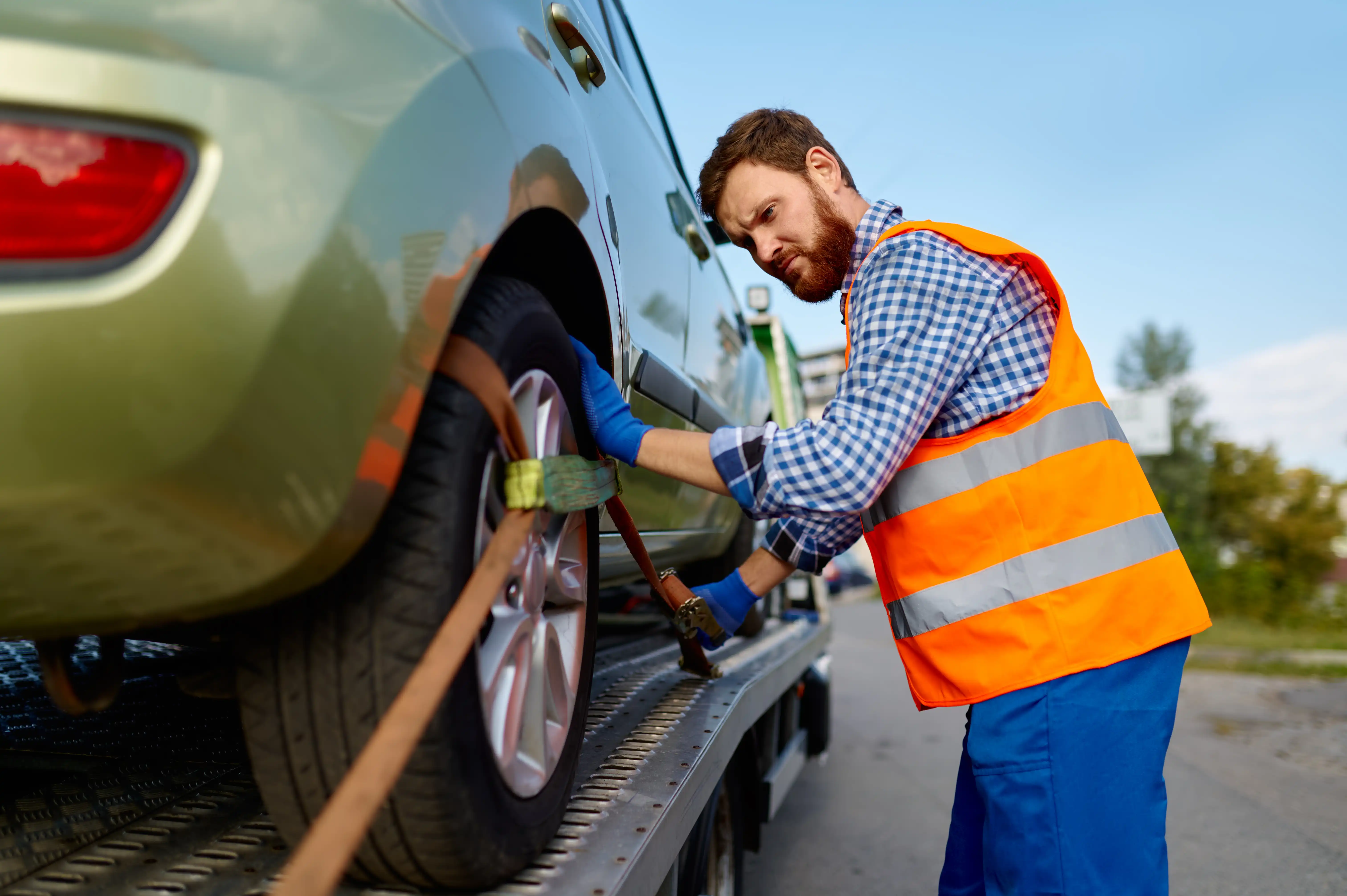
If the car can roll, it’s winched up steadily onto the bed. If it can’t, we use the winch and, where needed, dollies or skates to get it aboard safely. Once in position, the vehicle is secured with heavy-duty straps and chains at the manufacturer’s designated points, so it can’t shift during the journey.
From there, we transport it wherever it needs to go — a garage, your home, a bodyshop or a dealership — and unload with the same care. The whole process is quick, controlled and, crucially, kind to your car.
Flatbed Vs Conventional Tow: The Bottom Line
A conventional tow has its place for short, simple moves of robust, rolling vehicles. But when protection matters — and for most modern, valuable, automatic or damaged cars it does — a flatbed is the safer choice every time.
If in doubt, go flatbed. It’s the difference between your car arriving in the same condition it left, and arriving with a new problem to fix.
Whatever you’re driving and wherever you’ve broken down around Stoke-on-Trent, our team can advise on the right method and get you moving. Explore our flatbed transportation service to see how we keep vehicles safe on the move.
Moving something older or mileage-sensitive? We have written separately about classic car transport and how a flatbed adds zero miles to the odometer.